
Hail Mark Carney
I come to praise Mark Carney, not to bury him.
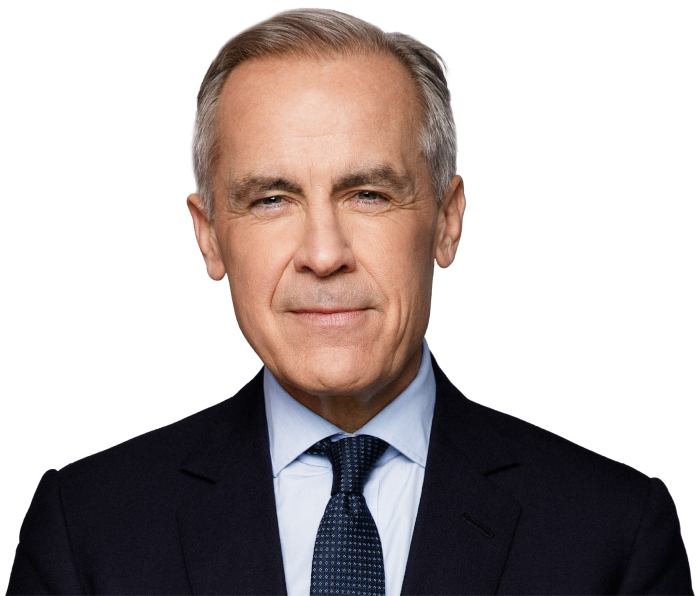
At Davos, Carney put a knife in the old neoliberal order. And he called out the pleasant fiction that sustained it. His remarks have made life much easier for the rest of us who’ve been screaming from the top of our lungs that the ancien regime had run its course — but who aren’t in with the Davos crowd.
The fiction he called out is that the rules of the rules-based order were evenly enforced, that the strong exempted themselves when convenient. And that’s a fiction that needs debunking, too. If “the power of the less powerful begins with honesty,” as he says, then the less powerful are going to have to reckon with some unpleasant truths about the ways in which they gamed the “rules-based order.”
Carney listed areas where that order let us down, starting with finance. And he recognizes that Canada “prospered under the rules-based order.” Curiously, he doesn’t list trade among the sectors that broke down, even though he elsewhere acknowledges the problem of supply chain dominance and the weaponization of integration. As part of the “fiction” of the rules-based order, he contends that trade rules were enforced asymmetrically, in favor of the strong.
Let me be direct: WTO rules were enforced asymmetrically in favor of those the WTO perceived as less strong. And that includes middle powers — and China. Middle powers happily accepted this outcome, sacrificing principle to expedience.
If middle powers are going to make good on the pledge to start with honesty, then they’ll need to own the ways in which they broke with the rules-based order because it profited them to do so.
Middle Powers Gamed the System
So, about that asymmetry in favor of the middle powers. Getting into the details of how the WTO dispute settlement system undermined the rules-based order would lead people’s eyes to glaze over, but suffice it to say: Canada and other middle powers – we can include the EU, which ought to be a superpower -- were all more than happy to have the WTO dispute settlement system manufacture obligations that the United States had specifically declined to agree to during the negotiations setting up the WTO.

Middle powers were more than happy to attack American trade remedy methodologies that they themselves used. Because – and it’s the Canadians who were (privately) the clearest about it – what they gained in giving up the methodology was greater than what they lost: getting even better access to the lucrative U.S. market. Carney points out that American hegemony provided public goods, open sea lanes, and collective security. But what he doesn’t point out is that it also provided the market of first and last resort for everyone who was pursuing “export-led growth.” That’s the system Canada “prospered” under.
So yes, let’s dispense with the lies. But let’s dispense with all of them. It’s the only way to be sure that what we build next doesn’t take us right back to where we are today.
Value(s): You Can’t Avoid a Reckoning with Neoliberal Trade Policy
Carney said that under pure power politics, the strong do what they can, and the weak suffer what they must. Let’s take a closer look at who is strong, and who is weak. Certainly unconscionable American wars reflect exactly that dynamic at the nation state level.

But when we look beyond the nation state toward people, we see another way that the strong did what they would, and the weak suffered what they must. The neoliberal order was all about goosing returns to capital and shrinking returns to labor. Under neoliberal thinking, returns to capital are good, but returns to labor are inflationary. It’s a fancy intellectual framework to mask that it’s just about exploiting people. That is the “rules-based” trade order we created in the 1990s. Its proponents considered it avant-garde to separate economic policy from values. That’s the system Canada prospered under.
Under that system, the strong are the financiers and tycoons who use their increasing ability to move capital around the world to bust unions, build sweatshops, pollute rivers, suppress environmental stewardship, “avoid” taxes, and hang out at Davos. They include elite Americans who move in and out of office and happily give away American jobs in exchange for noble-sounding but amorphous and sometimes venal foreign policy goals.
It isn’t just elite Americans: it’s elites around the world. In important ways, they have more in common with each other than they do with their own people. When Warren Buffett says there’s class warfare and his class is winning, we need to understand they’re winning on a global scale. There’s a reason the phrase “Epstein class” has entered the vocabulary.
Carney says that middle powers can lead with values, human rights, and sustainable development. Will those values be reflected in any meaningful way in their trade agreements? Because if you look at the terms of those agreements, middle powers have subordinated those goals to returns to capital.
What values does the Canadian trade agreement with the EU reflect? The “sustainable development” provisions amount to window dressing and are less progressive than the trade policies of former Republican House Speaker and Ayn Rand stan Paul Ryan. (It really upsets people when I point that out. But we’re supposed to be starting with honesty, right? For all its freedom to pursue a foreign policy grounded in values, Canada did not ban imports made with forced labor until 2020., after the United States required it as part of the renegotiated NAFTA.)
Carney wasn’t prime minister when those deals were negotiated, so let’s not hold him to his values on those. But we can look to the deals being negotiated under his watch. Will his deal with China, which seems to be very triggering to a cadre of Americans despite its limited scope, ensure that imported EVs aren’t made with forced labor? Will Canada enforced its forced labor ban, now that it’s on the books? How comprehensive are these “comprehensive” agreements Canada is signing? Will they have enforceable labor rules? Enforceable environmental rules? Do they actually promote diversification to counter the risks of the “extreme global integration” Carney flagged as a problem? Will they perpetuate the neoliberal model of ensuring that the strong do what they can, while the weak suffer what they must?
Heavy is the Head
“Cutting and pasting from the old order won’t give you a new one. ”
This is the challenge for heads of government. You can have all the sweeping narratives you want, but “comprehensive” trade agreements are very long and very complicated. So that even as Carney is shivving the ancien regime, his speech failed to recognize the ways in which the trade rules of the rules-based order were a core part of it. And odds are his trade team is doing what most trade teams do: cut and paste. Cutting and pasting from the old order won’t give you a new one.
Does he know? Did Barack Obama know that TPP contradicted his auto parts bailout? These agreements are now so complicated that most trade experts don’t actually understand them. TPP is 6,000 pages long. How many people know what these agreements actually do?
In his book Value(s), Carney argued that the approach to global governance of the Financial Stability Board can (should?) be extended to trade; that is, that people who trust each other get together, agree on outcomes, then implement them -- based on good faith, not enforceability. That’s closer to the GATT than the WTO. And it’s certainly not TPP.
Bury the Old Order For Realz
Carney was right to go to Davos and bury the old order. It’s important not because he said anything new – non-central bankers wearing non-blue suits said the same thing at what Politico in 2024 called the anti-Davos – but because he said it. He’s one of them. The call is coming from inside the house.
But the complicity of middle powers was not benign, and trade is not exempt. Middle powers actively undermined the rules-based order on trade when it profited them. It was especially profitable for the elites. And they themselves embraced, and continue to embrace, that exploitative model.
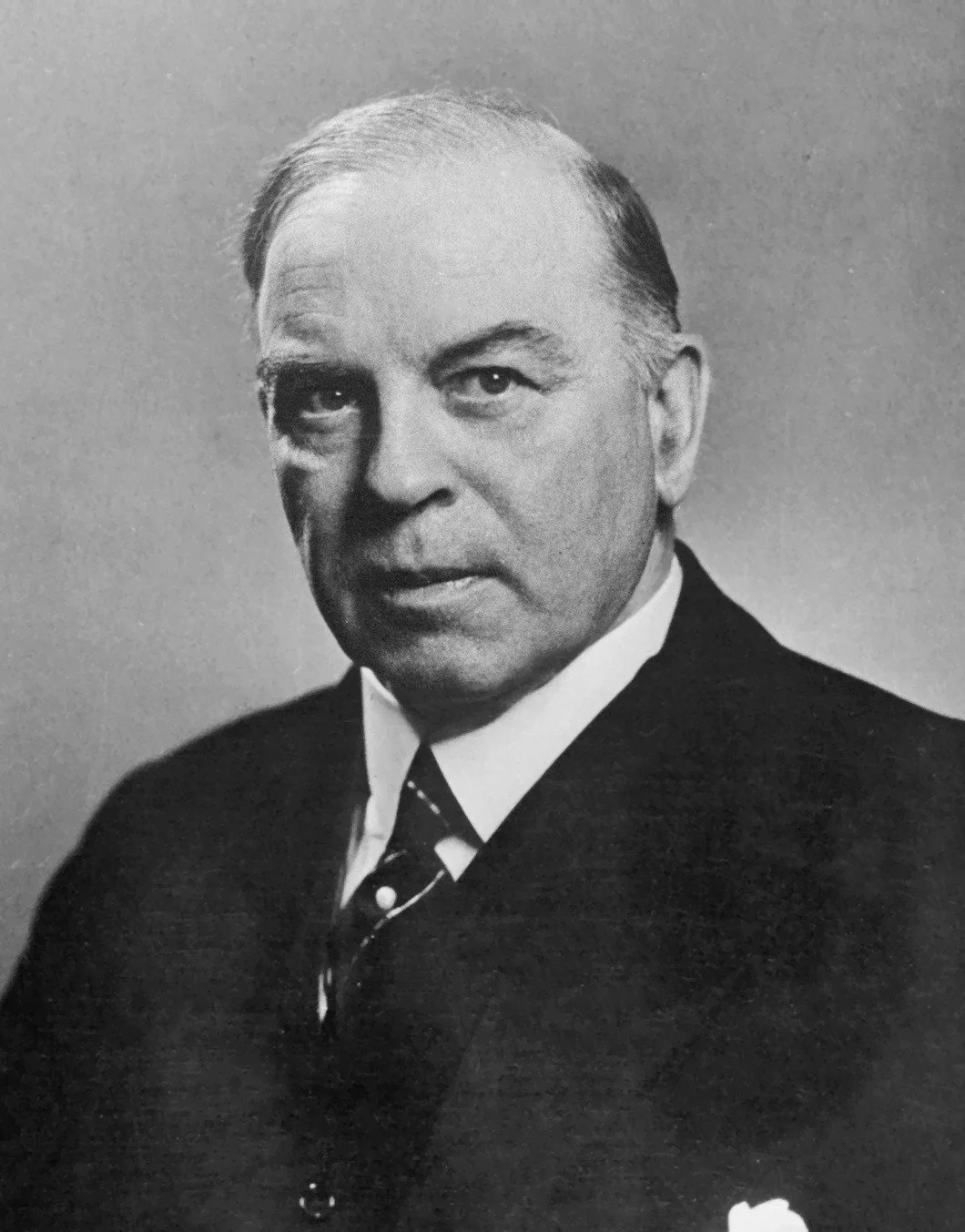
This is as good time a time as any to recall that Canada supported enforceable labor rules in the global trading regime in 1948 - during the tenure of the man historians have deemed the greatest Canadian Prime Minister.
If policymakers really believe the old era is over, and that building a successful replacement depends on the honesty of middle powers, then let’s be honest about where the strong exploited the weak, where the weak exploited the strong, and, still more importantly, be clear about who we’re talking about when we talk about the strong and the weak.
So yes, I come to praise Mark Carney. We needed him to call out the rupture. We need countries like Canada to be, in his words, “more ambitious.” But that means we need middle powers to face up to all the lies – if only to avoid repeating the mistakes.